Some of the most interesting design problems aren’t really interface problems. They’re problems of complexity.
Architecture involves interconnected spaces, systems, constraints, and human behaviors. Healthcare involves data, participants, goals, interventions, and changing conditions. Sports combine live action, statistics, history, identity, and social context. Intelligent agents add memory, inference, confidence, personalization, and potentially autonomous action.
My work repeatedly gravitates toward these environments.

At BjöndHealth, that meant transforming complex healthcare workflows into understandable systems of goals, tasks, barriers, rules, and personalized actions.
At Comcast, it has meant translating live sports data into useful visual experiences:
Turning large bodies of research into actionable innovation frameworks
Defining conversational and agent interaction models
Decomposing ambiguous qualities such as contextual intelligence into dimensions that can actually be evaluated.


The role of design here is not simply simplification.
It’s finding the structure inside complexity – deciding what matters, revealing relationships, creating hierarchy, and giving people enough understanding to make confident decisions.
Systems + Hierarchy + Navigation



→ Visualization Make complexity visible
→ BjöndHealth Structure complex adaptive workflows
→ Sports + Data Turn information into experience
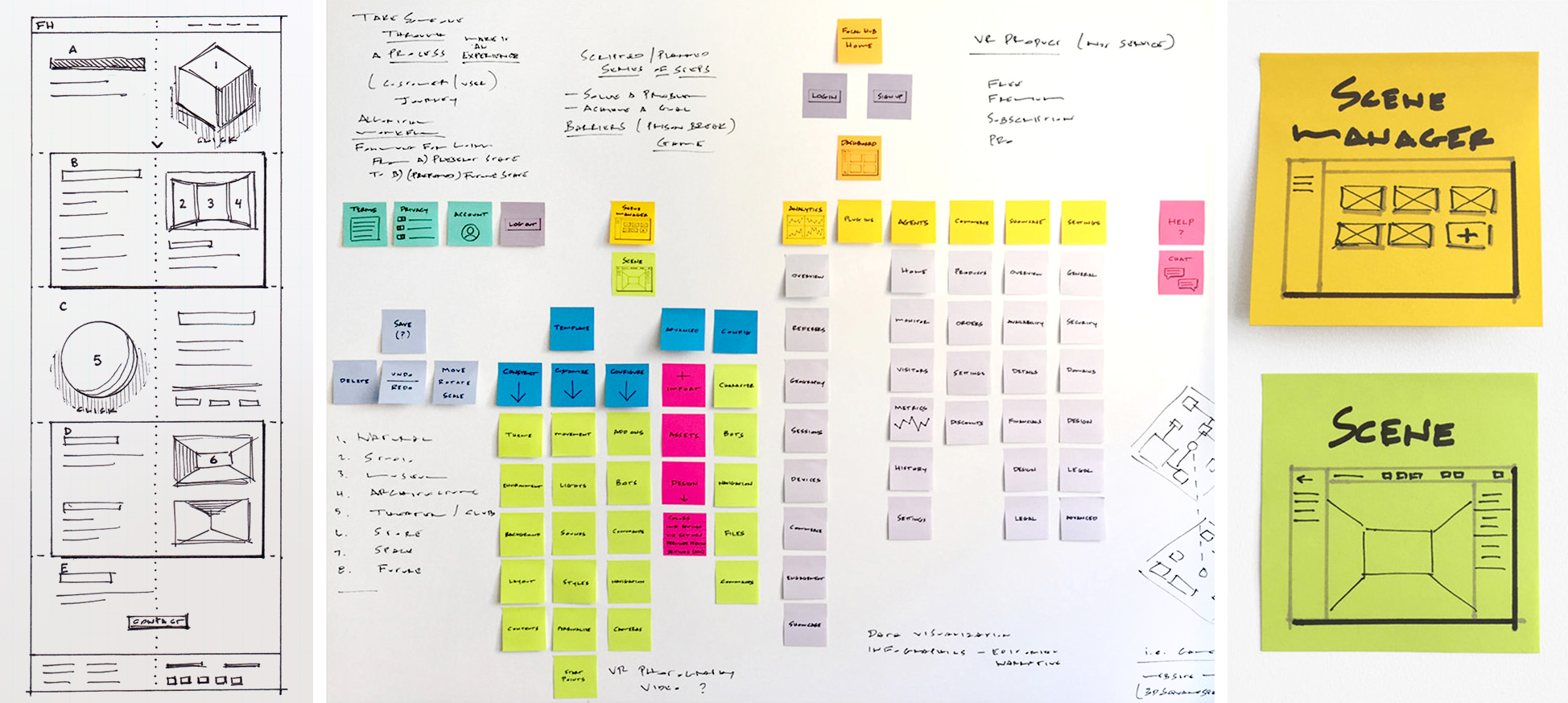
→ ExperienceOS Orchestrate services + context + interaction
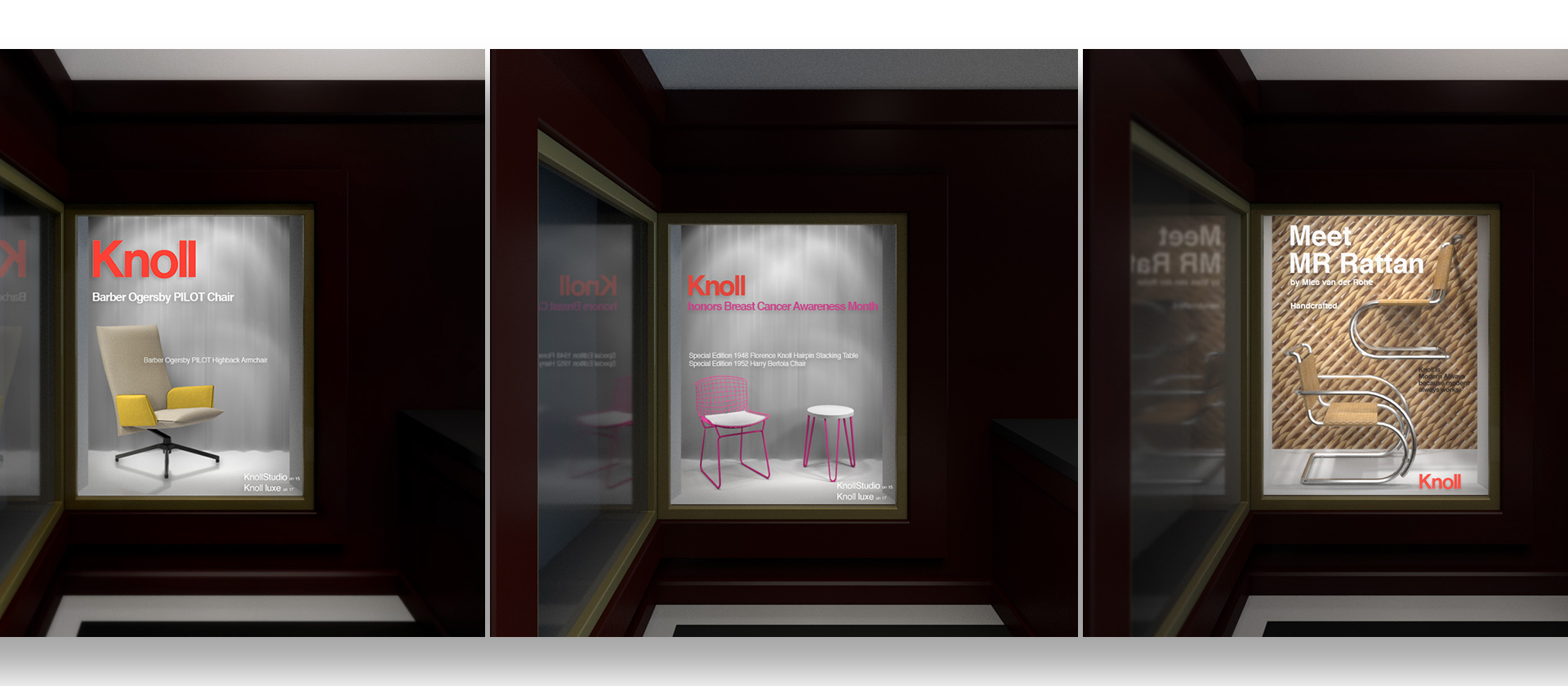
→ AI Evaluation Turn ambiguous intelligence into measurable dimensions


